Table of contents
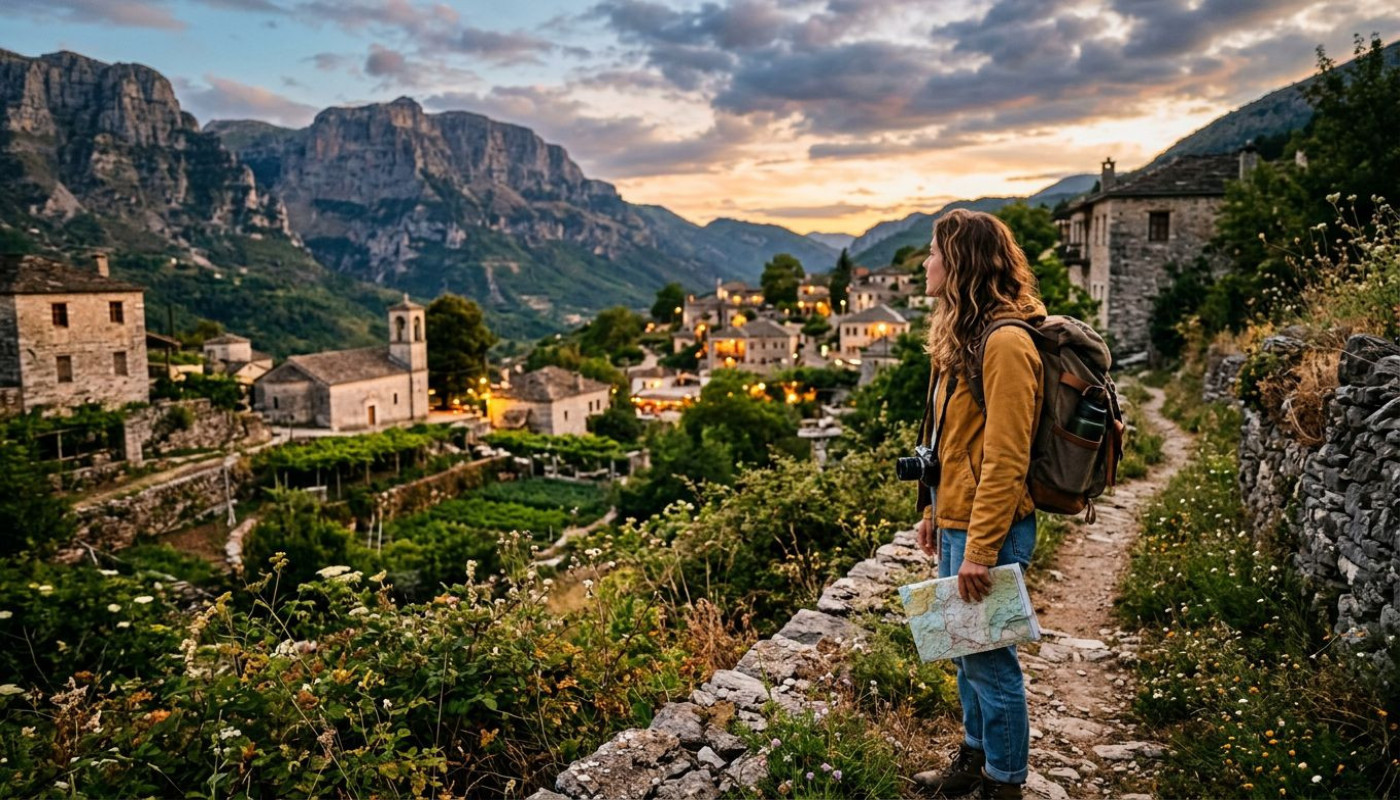
More travelers are ditching rigid itineraries, not because they dislike planning, but because they have learned what algorithms cannot deliver: the happy accident, the unmarked turn, the conversation that rewrites a day. From Japan’s “no-plan” weekend breaks to European rail passes designed for spontaneity, the trend is measurable, and it is reshaping how destinations handle crowds and how visitors experience a place. Getting lost, in this new sense, is less about confusion and more about designing room for discovery, and doing it safely.
Why “wrong turns” feel right again
It sounds counterintuitive, yet the numbers point the same way: travelers increasingly value experiences over checklists, and they are willing to trade certainty for surprise. In a 2023 report on travel trends, Expedia framed it as a post-pandemic shift toward “memory-making” and local immersion, while Skyscanner’s trend work has repeatedly highlighted flexibility as a dominant planning behavior, particularly among younger travelers who book later and change plans more often. This is not just a vibe; it tracks with booking patterns, too, as airlines and hotels have leaned into flexible fares and cancellation windows because demand for adaptability keeps rising.
There is also a cognitive reason the unplanned feels richer. Research in psychology has long linked novelty to stronger memory formation, and travel is essentially a novelty machine; when a day is tightly scripted, the brain can file it as predictable, but when the day includes small uncertainties, attention heightens, and the story becomes easier to remember. That is why the “best moment” of a trip often comes from the detour: the café found because it started raining, the viewpoint reached because a road was closed, the festival stumbled upon because the map app failed. In a world where digital tools make every city legible, deliberate “illegibility” has become a luxury.
When spontaneity meets crowded destinations
Freedom is alluring, but it collides with a hard reality: many of the places people want to wander through are already under pressure. Across Europe, cities such as Venice and Amsterdam have debated or implemented measures to manage day-tripper volumes, and in 2024 Venice introduced an access fee on peak days for visitors entering the historic center without overnight stays, a widely publicized attempt to spread demand. Barcelona has tightened controls on tourist apartments, Greece has periodically discussed visitor management for hotspots, and in the United States, national parks have expanded timed-entry systems at certain sites in response to congestion. The message is clear: go with the flow, but understand the flow is being regulated.
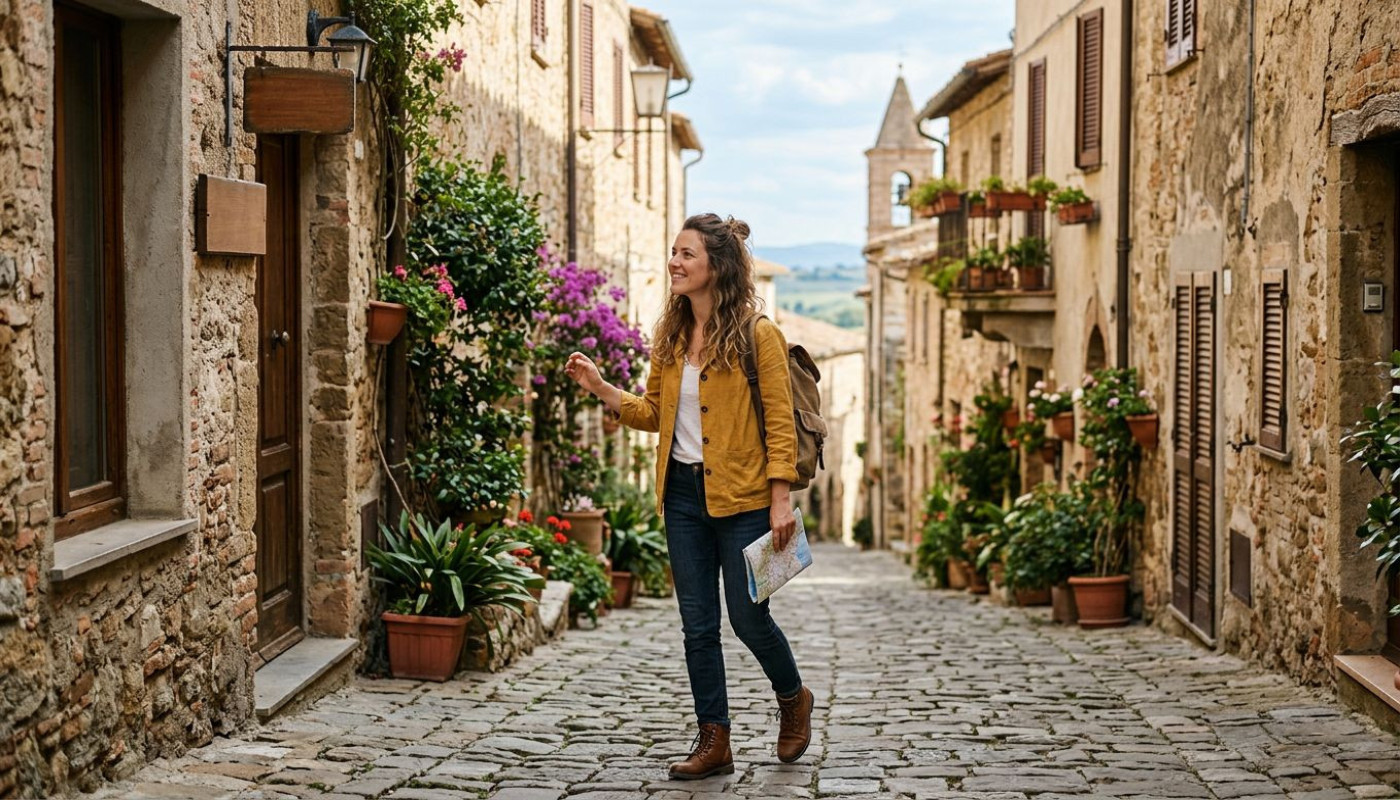
That does not kill spontaneity, it changes its geography. The most successful “lost on purpose” days increasingly happen one neighborhood, one village, or one coastline stop away from the headline attraction, and they often align with how local authorities want tourism to evolve: more dispersed, less concentrated, and more respectful of daily life. It is the difference between following a viral “Top 10” list at 11 a.m. and taking a late-afternoon bus to a less-advertised area, then letting the evening unfold. In practice, this kind of wandering can reduce friction with residents, avoid the worst lines, and still deliver the sense of discovery people are chasing.
How to build a “loose itinerary” that works
Winging it does not mean doing nothing; the craft is in planning the frame, not the painting. Start with two anchors for the day, no more, and keep them time-bound rather than activity-bound: “morning near the waterfront,” “late lunch in a residential district,” “sunset somewhere elevated.” Then set simple constraints that protect your energy and your budget, such as a maximum number of paid attractions, a distance limit you are willing to walk, and a hard stop time for returning to your accommodation. Those guardrails prevent the classic spontaneity trap: drifting until you are exhausted, hungry, and too far from anything you actually want.
Tools still matter, even when you want to be surprised. Offline maps, downloaded transit schedules, and a short list of “if everything goes wrong” options, like one reliable restaurant and one dependable route back, can make improvisation safer, particularly in destinations where heat, humidity, or unreliable cell coverage can turn a casual detour into a problem. If you are traveling somewhere with strong day-trip culture, it also helps to understand local timing, because unplanned does not mean uncrowded; popular beaches and ruins still peak mid-day, and restaurants can still require bookings on weekends. For travelers heading to Mexico’s Caribbean coast, for example, a flexible day can mean mixing a planned transport window with open-ended exploration, and resources such as https://www.cancun-trip.com/ can help map practical options before you decide where to let chance take over.
The safety rules that keep adventure fun
The romance of getting lost has limits, and the smartest travelers treat safety as part of the art, not a buzzkill. Share a rough plan with someone, even if it is just the area you will explore and the time you expect to be back, and keep your phone charged with a backup battery; it is basic, but it is also the difference between a story and a rescue. Pay attention to environmental risks that do not show up in glossy travel reels: heat index, rip currents, sudden storms, and distance from shade or water. In tropical destinations, dehydration can sneak up quickly, and the “one more stop” mentality can turn into a long, draining walk back.
Money and documents deserve the same calm discipline. Carry only what you need, keep a digital copy of your passport and key bookings, and separate a small emergency cash reserve from your day wallet. If you are renting a scooter or car on impulse, read the insurance terms and local rules before you sign, because the most common vacation mishaps are boring ones: minor crashes, unexpected deposits, and coverage gaps. Finally, respect local boundaries, literal and social; some neighborhoods do not want to be “discovered,” some roads are unlit and unmaintained, and some experiences are better booked through established operators. The goal is not to perform spontaneity, it is to create space for genuine, safe encounters that you will remember for the right reasons.
Leaving room for the best part
Budget for flexibility, not just activities, and keep a small buffer for taxis, last-minute tickets, or an extra night when plans shift. Reserve only the essentials early, especially during peak season, then use local transport and daylight to explore freely. Check whether any regional passes or family discounts apply; they can fund the detours.
On the same subject